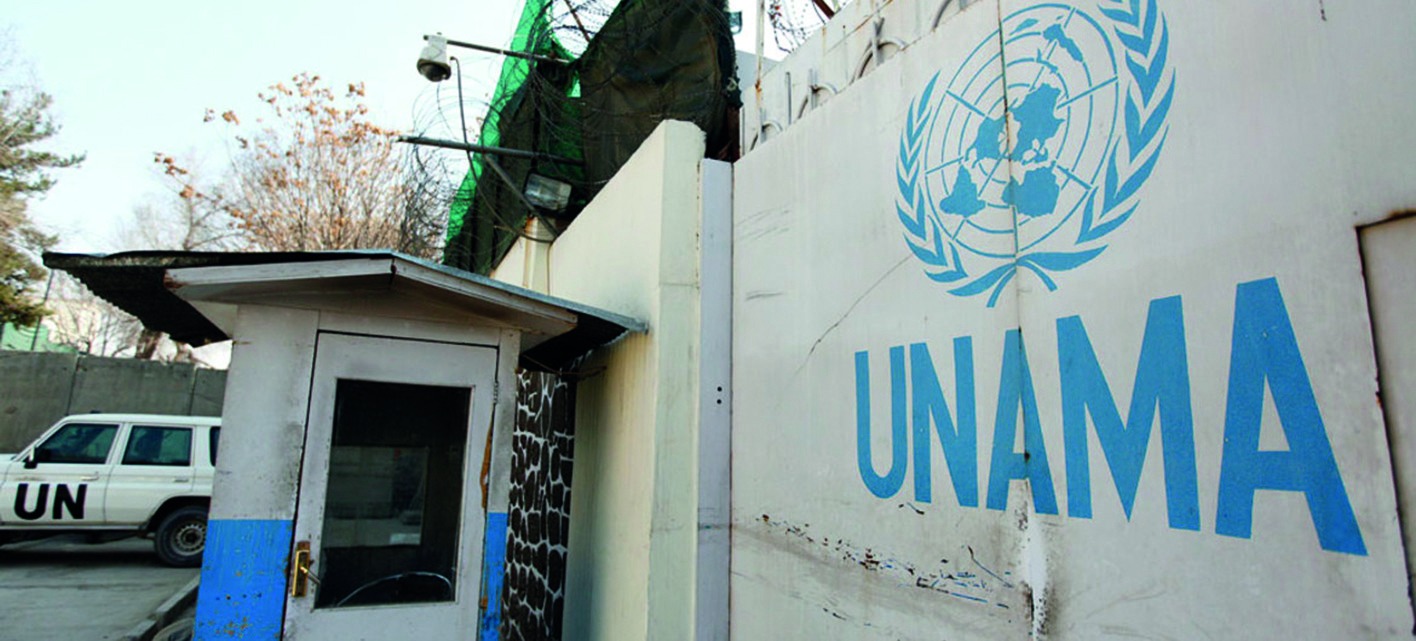
 Tom Fletcher, the United Nations Assistant Secretary-General for Humanitarian Affairs, has emphasized during his meetings with Taliban officials in Kabul that women must be allowed to continue their vital work in humanitarian organizations.
In a post on X (formerly Twitter), Fletcher stated that his discussions with Taliban officials focused on key humanitarian issues, including the impacts of climate change, the return of refugees, current humanitarian needs, and the consequences of drastic funding cuts.
He added: “We are engaged in dialogue to ensure that aid is delivered based on humanitarian principles. And we firmly believe that Afghan women working in the aid sector must be allowed to continue their vital roles.”
Fletcher also mentioned that he met with his colleagues in Kabul who, “despite enormous pressure, continue to work tirelessly to save lives.”
He stressed: “Our operations rely on their expertise and knowledge — and most importantly, the people of Afghanistan need them.”
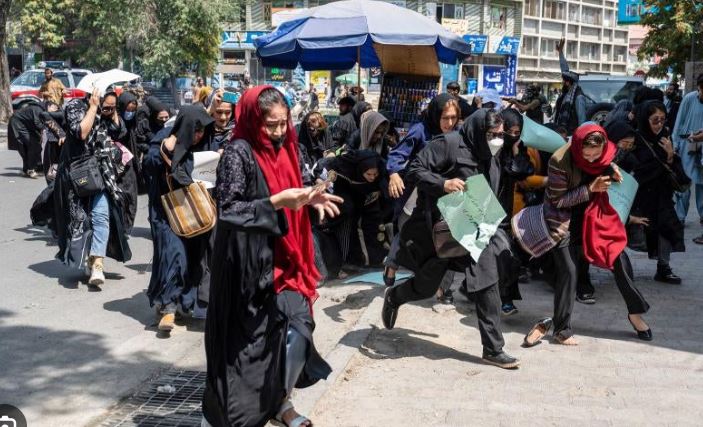
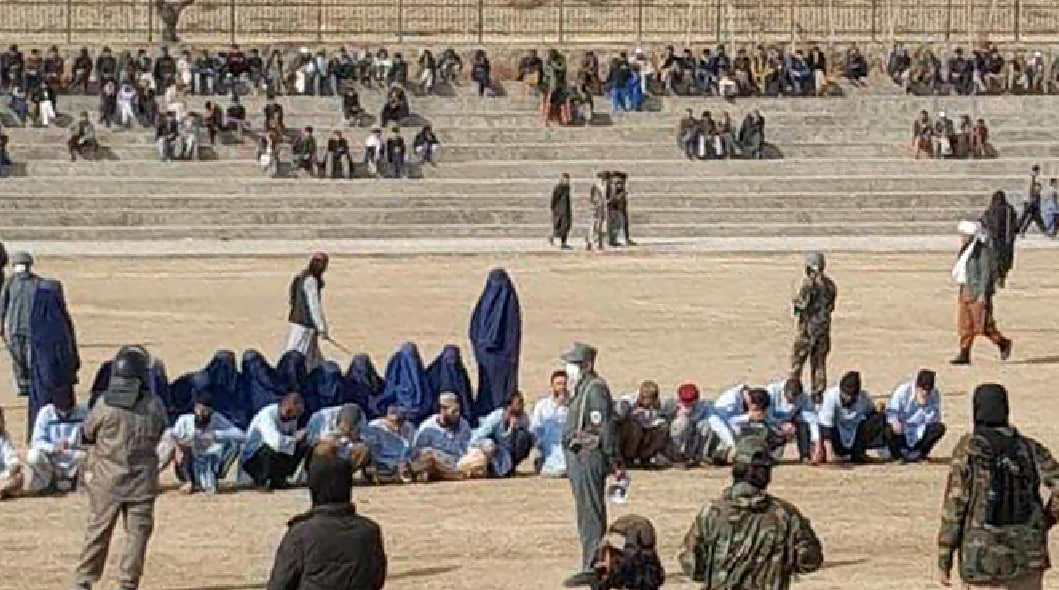
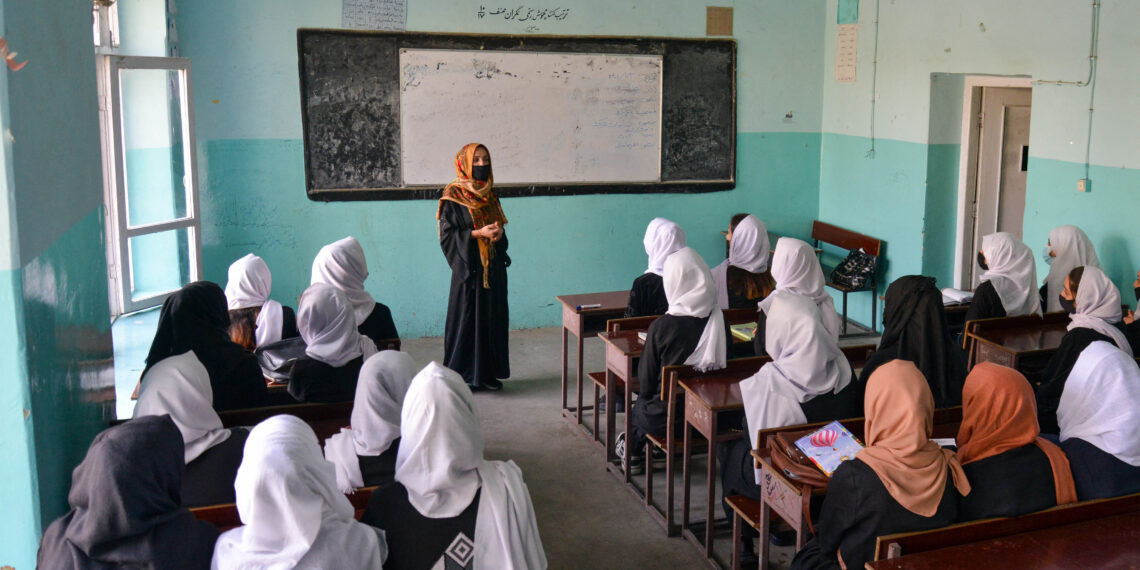
This comes as the Taliban banned women from working with non-governmental organizations nearly three years ago. Despite this, some women have continued working in certain sectors, especially in health care. However, UN officials have repeatedly warned that the Taliban’s restrictions on female aid workers have severely disrupted humanitarian operations.
The United Nations has frequently warned that these restrictions significantly undermine humanitarian efforts — at a time when more than 23 million people in Afghanistan are in urgent need of life-saving assistance.
Tom Fletcher, the United Nations Assistant Secretary-General for Humanitarian Affairs, has emphasized during his meetings with Taliban officials in Kabul that women must be allowed to continue their vital work in humanitarian organizations.
In a post on X (formerly Twitter), Fletcher stated that his discussions with Taliban officials focused on key humanitarian issues, including the impacts of climate change, the return of refugees, current humanitarian needs, and the consequences of drastic funding cuts.
He added: “We are engaged in dialogue to ensure that aid is delivered based on humanitarian principles. And we firmly believe that Afghan women working in the aid sector must be allowed to continue their vital roles.”
Fletcher also mentioned that he met with his colleagues in Kabul who, “despite enormous pressure, continue to work tirelessly to save lives.”
He stressed: “Our operations rely on their expertise and knowledge — and most importantly, the people of Afghanistan need them.”
This comes as the Taliban banned women from working with non-governmental organizations nearly three years ago. Despite this, some women have continued working in certain sectors, especially in health care. However, UN officials have repeatedly warned that the Taliban’s restrictions on female aid workers have severely disrupted humanitarian operations.
The United Nations has frequently warned that these restrictions significantly undermine humanitarian efforts — at a time when more than 23 million people in Afghanistan are in urgent need of life-saving assistance.
 Tom Fletcher, the United Nations Assistant Secretary-General for Humanitarian Affairs, has emphasized during his meetings with Taliban officials in Kabul that women must be allowed to continue their vital work in humanitarian organizations.
In a post on X (formerly Twitter), Fletcher stated that his discussions with Taliban officials focused on key humanitarian issues, including the impacts of climate change, the return of refugees, current humanitarian needs, and the consequences of drastic funding cuts.
He added: “We are engaged in dialogue to ensure that aid is delivered based on humanitarian principles. And we firmly believe that Afghan women working in the aid sector must be allowed to continue their vital roles.”
Fletcher also mentioned that he met with his colleagues in Kabul who, “despite enormous pressure, continue to work tirelessly to save lives.”
He stressed: “Our operations rely on their expertise and knowledge — and most importantly, the people of Afghanistan need them.”
This comes as the Taliban banned women from working with non-governmental organizations nearly three years ago. Despite this, some women have continued working in certain sectors, especially in health care. However, UN officials have repeatedly warned that the Taliban’s restrictions on female aid workers have severely disrupted humanitarian operations.
The United Nations has frequently warned that these restrictions significantly undermine humanitarian efforts — at a time when more than 23 million people in Afghanistan are in urgent need of life-saving assistance.
Tom Fletcher, the United Nations Assistant Secretary-General for Humanitarian Affairs, has emphasized during his meetings with Taliban officials in Kabul that women must be allowed to continue their vital work in humanitarian organizations.
In a post on X (formerly Twitter), Fletcher stated that his discussions with Taliban officials focused on key humanitarian issues, including the impacts of climate change, the return of refugees, current humanitarian needs, and the consequences of drastic funding cuts.
He added: “We are engaged in dialogue to ensure that aid is delivered based on humanitarian principles. And we firmly believe that Afghan women working in the aid sector must be allowed to continue their vital roles.”
Fletcher also mentioned that he met with his colleagues in Kabul who, “despite enormous pressure, continue to work tirelessly to save lives.”
He stressed: “Our operations rely on their expertise and knowledge — and most importantly, the people of Afghanistan need them.”
This comes as the Taliban banned women from working with non-governmental organizations nearly three years ago. Despite this, some women have continued working in certain sectors, especially in health care. However, UN officials have repeatedly warned that the Taliban’s restrictions on female aid workers have severely disrupted humanitarian operations.
The United Nations has frequently warned that these restrictions significantly undermine humanitarian efforts — at a time when more than 23 million people in Afghanistan are in urgent need of life-saving assistance.
Share: