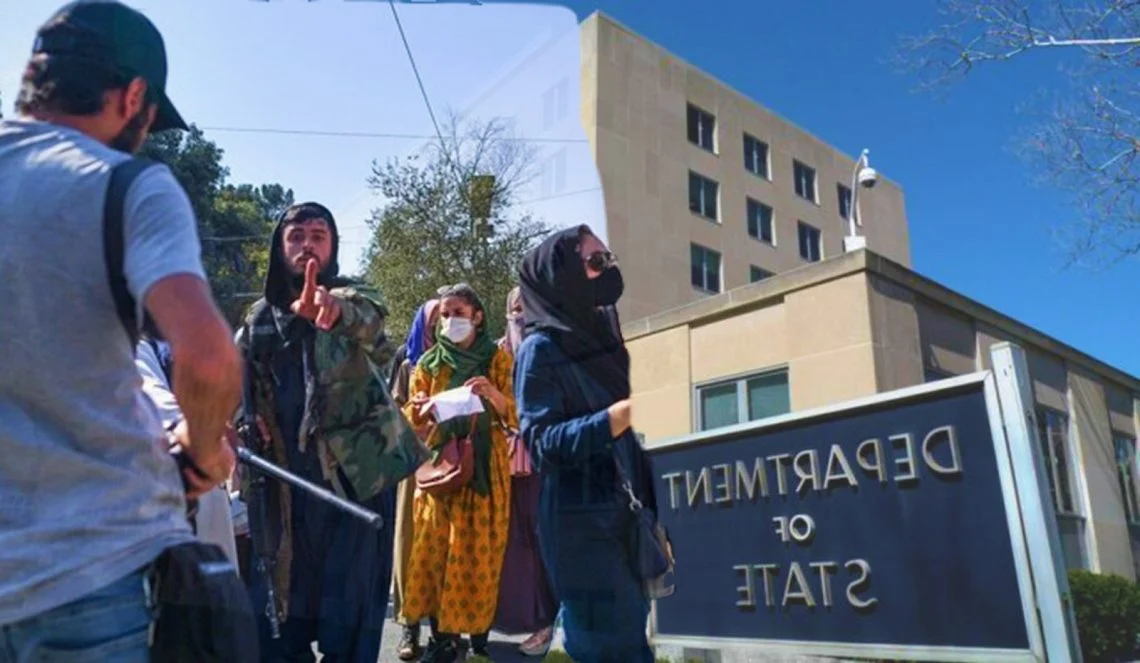
The U.S. Department of State, in its latest report, has described the human rights situation in Afghanistan under Taliban rule as
severely deteriorated. The report stresses that Taliban decrees and restrictions have
systematically stripped women and girls of their fundamental rights, dismantling individual, religious, and social freedoms.
According to the report, the Taliban continue to engage in
extrajudicial killings, enforced disappearances, torture, forced labor, human trafficking, and the recruitment of children for combat. It further highlights a
widespread disregard for the rule of law and total impunity for perpetrators of abuses, worsening the overall human rights environment.
Extrajudicial Killings and Targeting of Minorities
The State Department confirmed that both the Taliban and ISIS-K carried out extrajudicial killings. Victims included
human rights defenders, lawyers, teachers, students, and former members of the security forces—many of them women. ISIS-K specifically targeted the Hazara community.
Coercion and Denial of Women’s Access to Healthcare
Due to Taliban restrictions on work and travel, women face
near-insurmountable barriers to healthcare access. With male doctors prohibited from treating women except under extreme conditions and female doctors forced out of work, thousands of women’s lives are at risk.
Suppression of Free Expression and Media
The report states that Taliban decrees in 2021 and 2024 placed
the media under full censorship: live political broadcasts were banned, guest lists had to be pre-approved, and programs required prior clearance by the Ministry of Information and Culture. Journalists faced threats, detention, beatings, and the forced closure of outlets, leading to mass flight from the country.
Enforced Disappearances, Arbitrary Detention, and Torture
The findings show that the Taliban use
enforced disappearances, prolonged detention without trial, denial of access to lawyers and families, and punishments including flogging, stoning, and executions as tools of control and intimidation.
Child Recruitment and Forced/Child Marriages
Despite Taliban claims, the United Nations documented the recruitment of
over 340 boys into Taliban forces in 2023. Early and forced marriages have also increased, particularly where girls are barred from education and families face economic hardship—often accompanied by
sexual violence, forced pregnancy, and forced labor.
Workers’ Rights and Women’s Employment
The Taliban disregarded labor rights and unions. By decree, they
slashed the salaries of female government employees to 5,000 Afghanis ($70), far below previous levels. This sparked scattered protests, which were met with Taliban warnings.
Cross-Border Abuses
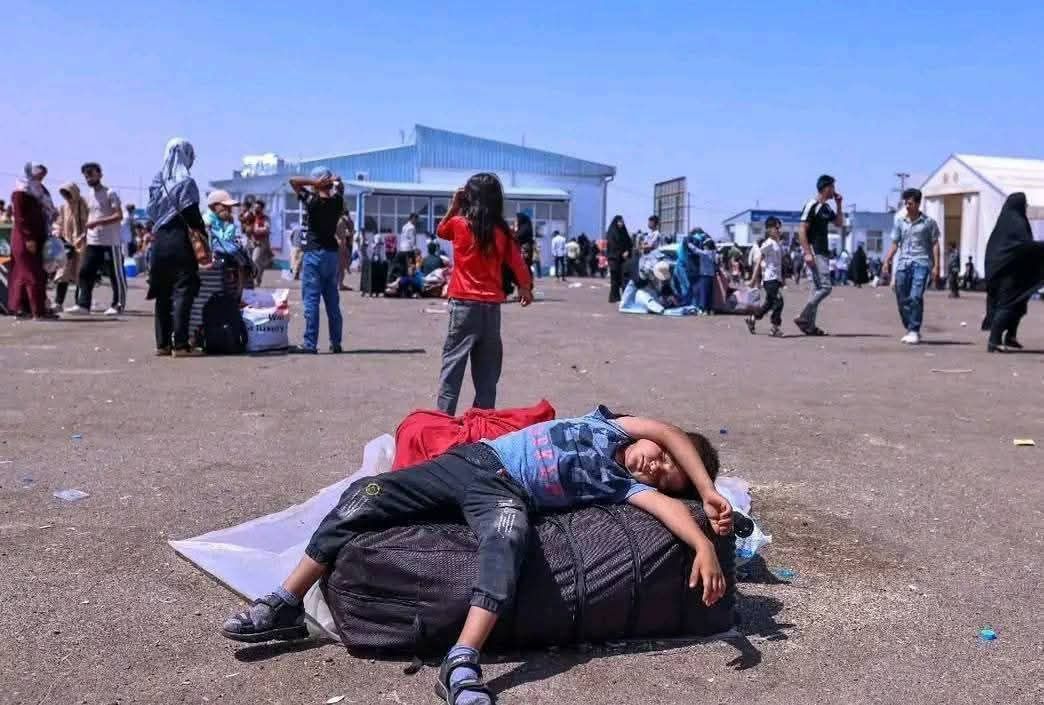
The Taliban refused to recognize documents issued by former Afghan embassies, leaving thousands of migrants without valid identity papers. Their enforcers at border points imposed restrictive moral codes on returning refugees.
Conclusion
The U.S. State Department concludes that Taliban policies amount not to isolated violations, but
systematic and widespread abuses. According to UN experts, this entrenched system of oppression—particularly targeting women and girls—may amount to
crimes against humanity.