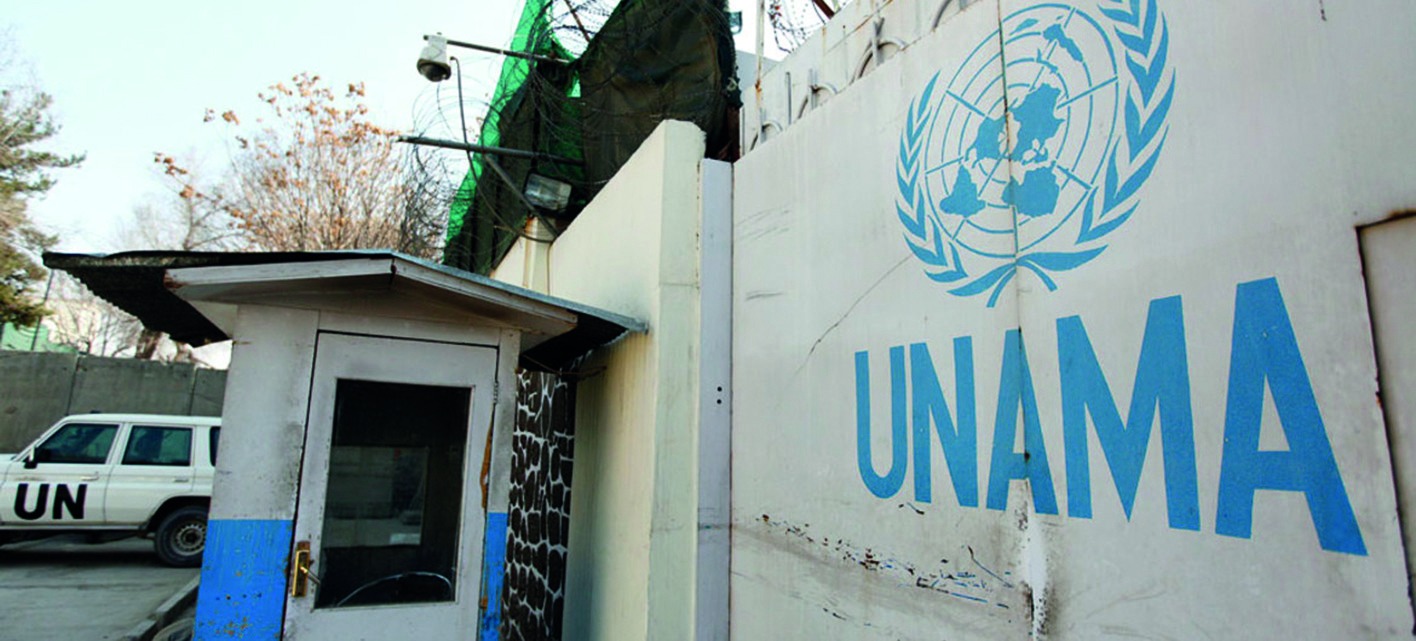
 The United Nations Assistance Mission in Afghanistan (UNAMA) has presented what it calls a “comprehensive approach to Afghanistan”, a roadmap designed to offer a structured political pathway toward peace and the reintegration of Afghanistan into the international community. This document, dated February 17, 2025, has been introduced as a presentation for participants in the Doha format talks, and is commonly referred to as a "roadmap."
According to UNAMA, this roadmap was developed in response to the issues identified in the independent assessment coordinated by the UN Secretary-General. It aims to establish a coherent framework and consultative mechanism to engage with those issues. The ultimate goal, as stated by UNAMA, is to reach a clear and tangible outcome: "An Afghanistan at peace with itself and its neighbors, integrated into the international community, and committed to global obligations." This objective is aligned with UN Security Council Resolution 2721.
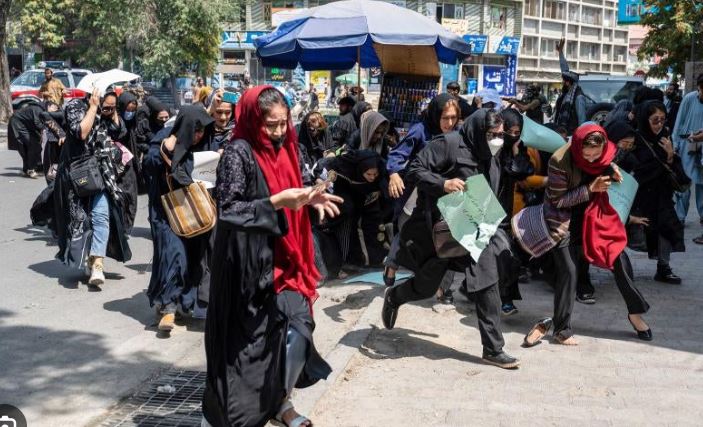
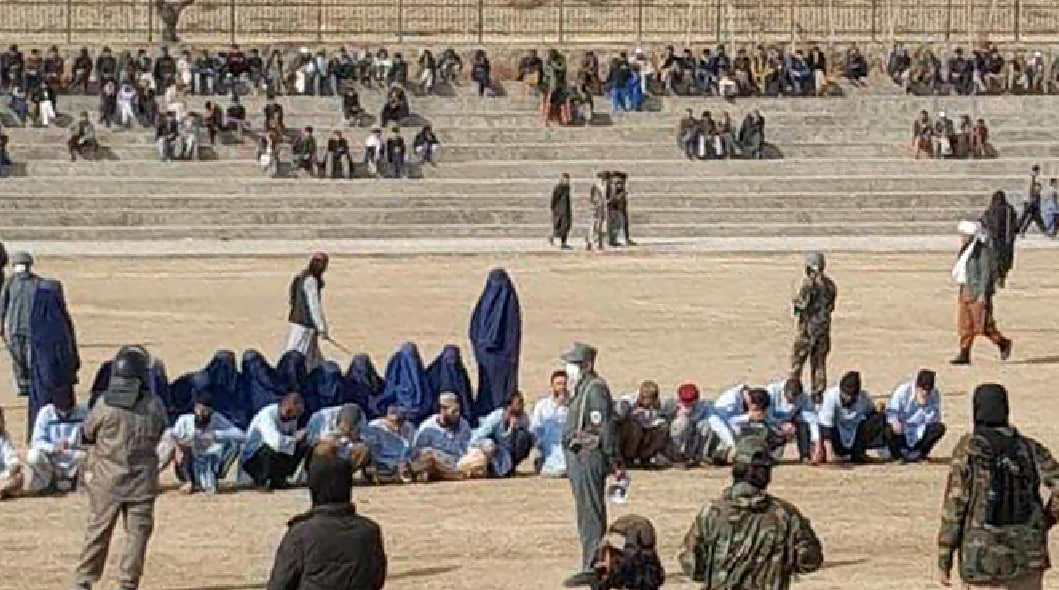
However, protesting Afghan women argue that, rather than defending the rights of the Afghan people, UNAMA’s new approach is paving the way for legitimizing the Taliban.
Working Groups
A copy of the roadmap obtained by Afghanistan Women's Justice Movement reveals that the working groups focus on building trust by identifying joint solutions to practical problems in mutually agreed areas. According to UNAMA, these solutions are meant to address the basic needs of the Afghan population and are expected to lead to short-term gains that clearly demonstrate the benefits of cooperation and engagement.
The issues addressed by these working groups include:
Counter-narcotics,
Private sector development,
Counterterrorism,
International commitments,
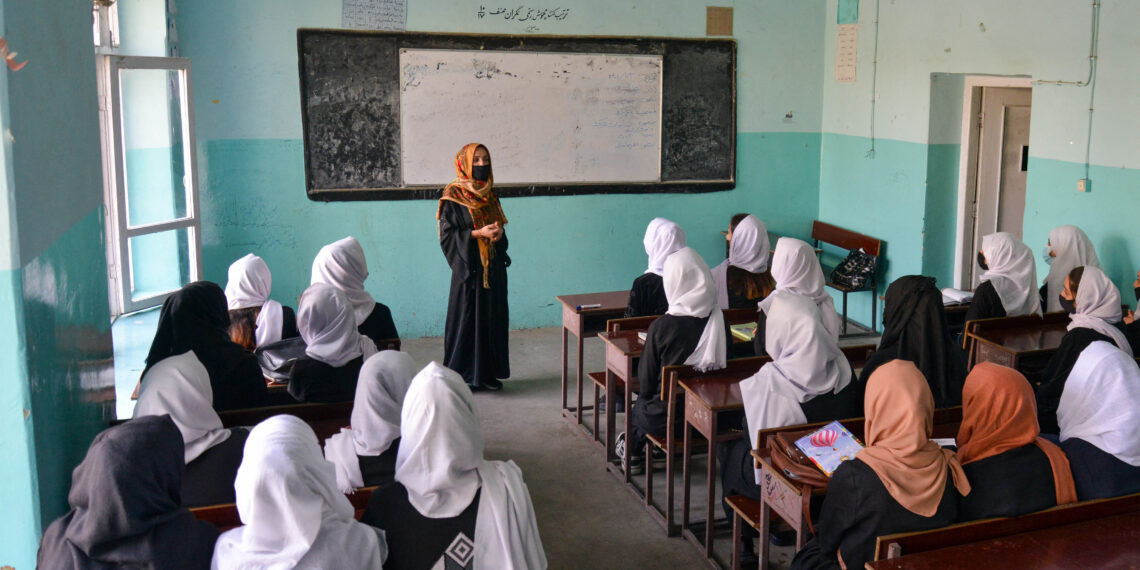
Human rights (especially women's rights),
Sanctions,
Inclusive governance,
Central Bank assets,
Diplomatic representation.
The Mosaic Path
UNAMA describes another track within the roadmap as the "Mosaic Path", which addresses more complex and contentious issues involving multiple stakeholders. These include:
Afghanistan’s international obligations,
Human rights (including women’s rights),
Central Bank assets,
Counterterrorism,
Diplomatic recognition,
Inclusive governance,
Sanctions.
These interconnected issues require more time and effort for resolution, according to the roadmap.
The roadmap outlines three levels of engagement:
Minimum level: structured engagement to promote mutual understanding on key issues.
Mid-level: identification of six initial actionable steps and clarification of the structured process.
High level: progress in implementing initial steps and addressing deeper political barriers.
UNAMA states that the roadmap involves multiple stakeholders, including:
Doha format members,
Regional countries,
The G7+,
The Taliban,
Other actors such as the UN Security Council Sanctions Committee,
Countries holding Afghan assets,
Non-Taliban Afghans,
Civil society representatives.
UNAMA insists this roadmap provides a structured and coherent framework for addressing major concerns and offers a consultative mechanism to identify steps toward the desired end-state.
Criticism from Afghan Women
Despite UNAMA's claims, protesting women and civil society activists argue that the roadmap sidelines women, civil society, and real victims. They claim it provides no meaningful role or recognition for these groups.
“These women emphasize: ‘This plan must be stopped, and our voices must be heard.’”
The United Nations Assistance Mission in Afghanistan (UNAMA) has presented what it calls a “comprehensive approach to Afghanistan”, a roadmap designed to offer a structured political pathway toward peace and the reintegration of Afghanistan into the international community. This document, dated February 17, 2025, has been introduced as a presentation for participants in the Doha format talks, and is commonly referred to as a "roadmap."
According to UNAMA, this roadmap was developed in response to the issues identified in the independent assessment coordinated by the UN Secretary-General. It aims to establish a coherent framework and consultative mechanism to engage with those issues. The ultimate goal, as stated by UNAMA, is to reach a clear and tangible outcome: "An Afghanistan at peace with itself and its neighbors, integrated into the international community, and committed to global obligations." This objective is aligned with UN Security Council Resolution 2721.
However, protesting Afghan women argue that, rather than defending the rights of the Afghan people, UNAMA’s new approach is paving the way for legitimizing the Taliban.
Working Groups
A copy of the roadmap obtained by Afghanistan Women's Justice Movement reveals that the working groups focus on building trust by identifying joint solutions to practical problems in mutually agreed areas. According to UNAMA, these solutions are meant to address the basic needs of the Afghan population and are expected to lead to short-term gains that clearly demonstrate the benefits of cooperation and engagement.
The issues addressed by these working groups include:
Counter-narcotics,
Private sector development,
Counterterrorism,
International commitments,
Human rights (especially women's rights),
Sanctions,
Inclusive governance,
Central Bank assets,
Diplomatic representation.
The Mosaic Path
UNAMA describes another track within the roadmap as the "Mosaic Path", which addresses more complex and contentious issues involving multiple stakeholders. These include:
Afghanistan’s international obligations,
Human rights (including women’s rights),
Central Bank assets,
Counterterrorism,
Diplomatic recognition,
Inclusive governance,
Sanctions.
These interconnected issues require more time and effort for resolution, according to the roadmap.
The roadmap outlines three levels of engagement:
Minimum level: structured engagement to promote mutual understanding on key issues.
Mid-level: identification of six initial actionable steps and clarification of the structured process.
High level: progress in implementing initial steps and addressing deeper political barriers.
UNAMA states that the roadmap involves multiple stakeholders, including:
Doha format members,
Regional countries,
The G7+,
The Taliban,
Other actors such as the UN Security Council Sanctions Committee,
Countries holding Afghan assets,
Non-Taliban Afghans,
Civil society representatives.
UNAMA insists this roadmap provides a structured and coherent framework for addressing major concerns and offers a consultative mechanism to identify steps toward the desired end-state.
Criticism from Afghan Women
Despite UNAMA's claims, protesting women and civil society activists argue that the roadmap sidelines women, civil society, and real victims. They claim it provides no meaningful role or recognition for these groups.
“These women emphasize: ‘This plan must be stopped, and our voices must be heard.’”
 The United Nations Assistance Mission in Afghanistan (UNAMA) has presented what it calls a “comprehensive approach to Afghanistan”, a roadmap designed to offer a structured political pathway toward peace and the reintegration of Afghanistan into the international community. This document, dated February 17, 2025, has been introduced as a presentation for participants in the Doha format talks, and is commonly referred to as a "roadmap."
According to UNAMA, this roadmap was developed in response to the issues identified in the independent assessment coordinated by the UN Secretary-General. It aims to establish a coherent framework and consultative mechanism to engage with those issues. The ultimate goal, as stated by UNAMA, is to reach a clear and tangible outcome: "An Afghanistan at peace with itself and its neighbors, integrated into the international community, and committed to global obligations." This objective is aligned with UN Security Council Resolution 2721.
However, protesting Afghan women argue that, rather than defending the rights of the Afghan people, UNAMA’s new approach is paving the way for legitimizing the Taliban.
Working Groups
A copy of the roadmap obtained by Afghanistan Women's Justice Movement reveals that the working groups focus on building trust by identifying joint solutions to practical problems in mutually agreed areas. According to UNAMA, these solutions are meant to address the basic needs of the Afghan population and are expected to lead to short-term gains that clearly demonstrate the benefits of cooperation and engagement.
The issues addressed by these working groups include:
Counter-narcotics,
Private sector development,
Counterterrorism,
International commitments,
Human rights (especially women's rights),
Sanctions,
Inclusive governance,
Central Bank assets,
Diplomatic representation.
The Mosaic Path
UNAMA describes another track within the roadmap as the "Mosaic Path", which addresses more complex and contentious issues involving multiple stakeholders. These include:
Afghanistan’s international obligations,
Human rights (including women’s rights),
Central Bank assets,
Counterterrorism,
Diplomatic recognition,
Inclusive governance,
Sanctions.
These interconnected issues require more time and effort for resolution, according to the roadmap.
The roadmap outlines three levels of engagement:
Minimum level: structured engagement to promote mutual understanding on key issues.
Mid-level: identification of six initial actionable steps and clarification of the structured process.
High level: progress in implementing initial steps and addressing deeper political barriers.
UNAMA states that the roadmap involves multiple stakeholders, including:
Doha format members,
Regional countries,
The G7+,
The Taliban,
Other actors such as the UN Security Council Sanctions Committee,
Countries holding Afghan assets,
Non-Taliban Afghans,
Civil society representatives.
UNAMA insists this roadmap provides a structured and coherent framework for addressing major concerns and offers a consultative mechanism to identify steps toward the desired end-state.
Criticism from Afghan Women
Despite UNAMA's claims, protesting women and civil society activists argue that the roadmap sidelines women, civil society, and real victims. They claim it provides no meaningful role or recognition for these groups.
“These women emphasize: ‘This plan must be stopped, and our voices must be heard.’”
The United Nations Assistance Mission in Afghanistan (UNAMA) has presented what it calls a “comprehensive approach to Afghanistan”, a roadmap designed to offer a structured political pathway toward peace and the reintegration of Afghanistan into the international community. This document, dated February 17, 2025, has been introduced as a presentation for participants in the Doha format talks, and is commonly referred to as a "roadmap."
According to UNAMA, this roadmap was developed in response to the issues identified in the independent assessment coordinated by the UN Secretary-General. It aims to establish a coherent framework and consultative mechanism to engage with those issues. The ultimate goal, as stated by UNAMA, is to reach a clear and tangible outcome: "An Afghanistan at peace with itself and its neighbors, integrated into the international community, and committed to global obligations." This objective is aligned with UN Security Council Resolution 2721.
However, protesting Afghan women argue that, rather than defending the rights of the Afghan people, UNAMA’s new approach is paving the way for legitimizing the Taliban.
Working Groups
A copy of the roadmap obtained by Afghanistan Women's Justice Movement reveals that the working groups focus on building trust by identifying joint solutions to practical problems in mutually agreed areas. According to UNAMA, these solutions are meant to address the basic needs of the Afghan population and are expected to lead to short-term gains that clearly demonstrate the benefits of cooperation and engagement.
The issues addressed by these working groups include:
Counter-narcotics,
Private sector development,
Counterterrorism,
International commitments,
Human rights (especially women's rights),
Sanctions,
Inclusive governance,
Central Bank assets,
Diplomatic representation.
The Mosaic Path
UNAMA describes another track within the roadmap as the "Mosaic Path", which addresses more complex and contentious issues involving multiple stakeholders. These include:
Afghanistan’s international obligations,
Human rights (including women’s rights),
Central Bank assets,
Counterterrorism,
Diplomatic recognition,
Inclusive governance,
Sanctions.
These interconnected issues require more time and effort for resolution, according to the roadmap.
The roadmap outlines three levels of engagement:
Minimum level: structured engagement to promote mutual understanding on key issues.
Mid-level: identification of six initial actionable steps and clarification of the structured process.
High level: progress in implementing initial steps and addressing deeper political barriers.
UNAMA states that the roadmap involves multiple stakeholders, including:
Doha format members,
Regional countries,
The G7+,
The Taliban,
Other actors such as the UN Security Council Sanctions Committee,
Countries holding Afghan assets,
Non-Taliban Afghans,
Civil society representatives.
UNAMA insists this roadmap provides a structured and coherent framework for addressing major concerns and offers a consultative mechanism to identify steps toward the desired end-state.
Criticism from Afghan Women
Despite UNAMA's claims, protesting women and civil society activists argue that the roadmap sidelines women, civil society, and real victims. They claim it provides no meaningful role or recognition for these groups.
“These women emphasize: ‘This plan must be stopped, and our voices must be heard.’”
Share: